Signs Your Business Needs a Commercial Electrical Upgrade
Understanding the Limits of Your Current System
Every commercial building relies on an electrical system that was designed for a specific set of needs. Over time, those needs change. You may add equipment, increase staffing, or shift operations. Meanwhile, the wiring, panels, and service entrance components age. The result is a system that works harder than it should, and that can lead to problems long before a total failure occurs.
Knowing when to plan for commercial electrical upgrades means paying attention to several indicators. Some are obvious, like flickering lights or tripping breakers. Others are subtle, like a steadily rising energy bill or an electrical panel that feels warm to the touch. Each sign tells you something about load capacity, code compliance, or the condition of the distribution board and branch circuits. This article walks through the main things to watch for, in the order you are most likely to encounter them.
Frequent Breaker Trips and Blown Fuses
The most common early sign is a circuit breaker that trips often. In a commercial setting, this usually means the circuit is overloaded. A single branch circuit has a maximum amperage rating, and when the total load on that circuit exceeds that rating, the breaker opens to prevent overheating. If you have a circuit that trips every time you run a certain machine or plug in a temporary load, the circuit may be undersized for what it now carries.
Some businesses see this as a nuisance and simply reset the breaker. But repeated tripping stresses the breaker mechanism and the wiring connections. Over time, it can cause arcing or heat damage inside the panel. If you find yourself resetting breakers more than once a month, it is worth having a qualified electrician evaluate the load on that circuit and the condition of the panel. A permanent fix might involve adding a new dedicated circuit or upgrading the panel to a higher capacity unit.
Flickering or Dimming Lights
Lights that flicker or dim when large equipment starts up are another signal. Motors, compressors, and HVAC units draw a surge of current when they start. If the electrical system is marginal, that surge can pull voltage down across the whole branch circuit. The result is a visible dip in light output that lasts a second or two. Occasional dimming on an older system is not unusual, but if it happens every time a piece of equipment cycles on, the system may be reaching its load capacity limits.
There are two possible causes. One is that the circuit supplying the lights and the equipment is shared, and the inrush current is too high. The other is that the service entrance conductors or the main panel itself are undersized for the building's total demand. In either case, the solution is a load calculation and, often, an upgrade to the distribution board or service entrance. A qualified electrician can measure voltage drop under load and recommend the right panel or conductor size.

Warm Panels, Breakers, or Outlets
Heat is a sign of resistance. In an electrical system, resistance generates heat when current flows. If you notice that a breaker in the panel feels warm to the touch, or that an outlet or switch plate is warm, there is likely a loose connection, a damaged conductor, or an overloaded circuit. In a commercial setting, this is a serious safety concern because heat can degrade insulation and lead to arc faults or fires.
You should never ignore warm components. Have a licensed electrician inspect the panel and the affected circuits. They will check for proper torque on connections, signs of corrosion, and whether the conductor size matches the breaker rating. Sometimes the fix is as simple as tightening a lug. In other cases, the panel itself may need to be replaced if it is an older model that does not meet current code compliance standards. This is one area where delaying an upgrade can cost far more than the upgrade itself.
Frequent Need for Extension Cords or Power Strips
If your staff regularly uses extension cords or power strips to reach distant outlets, that is a sign that the existing receptacle layout does not match your workspace needs. While extension cords are fine for temporary use, they are not a permanent solution. They can become trip hazards, and they can overload a circuit if too many devices are plugged into a single cord. More importantly, relying on them means you are bypassing the designed circuit capacity.
A commercial electrical upgrade can add new circuits and outlets exactly where you need them. This reduces the load on existing circuits and improves safety. It also makes the workspace more efficient because you are not hunting for an open outlet or running a cord across an aisle. When you plan a remodel or a change in floor layout, it is a good time to review the electrical plan and bring it up to current code.
Outdated Panel or Equipment
Electrical panels have a long service life, but they do not last forever. Panels from the 1970s or earlier may use fuses instead of breakers, or they may have been designed for a much lower total load than a modern business requires. Some older panels lack the grounding and bonding provisions required by current codes. If your building still has a fuse-type panel, an upgrade to a modern breaker panel is almost always worthwhile for safety and convenience alone.
Another common issue is a panel that has no room for additional circuits. When the panel is full, any new circuit requires a sub-panel or a complete panel replacement. That is a clear sign that the system has reached its practical limit. A licensed electrician can evaluate the existing panel and determine whether it can be upgraded or needs to be replaced. The cost of a new panel is often offset by the improved reliability and the ability to add circuits as your business grows.
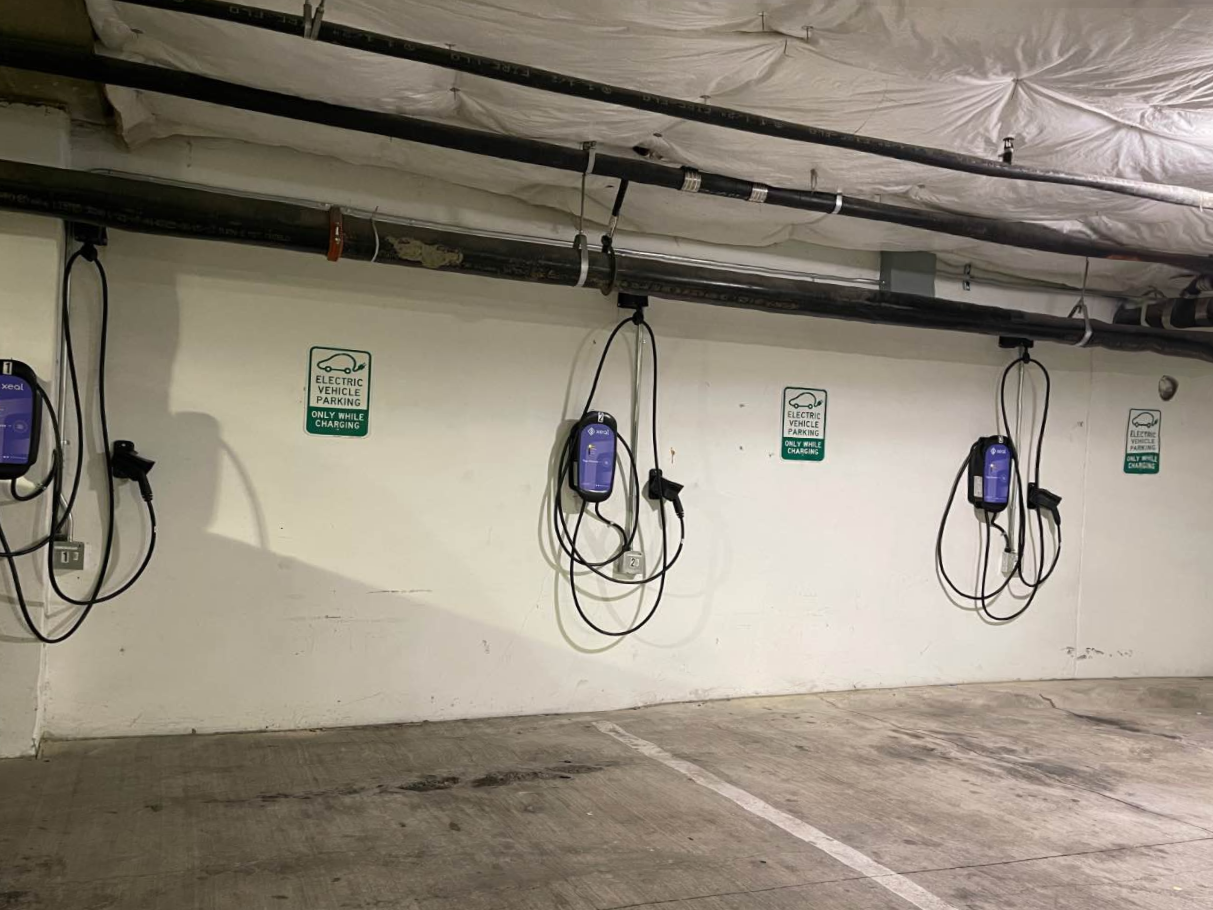
For businesses in San Jose, Santa Clara, and the surrounding Bay Area, companies like woodingelectric.com provide commercial electrical installation, repair, troubleshooting, upgrades, and power distribution services. Their experience with local code requirements and load calculations can help you decide what kind of upgrade fits your situation.
Frequent Equipment Failures or Unexplained Downtime
If your computers, machinery, or other sensitive equipment fail more often than they should, the electrical supply may be the cause. Voltage sags, surges, and harmonics can damage electronic components over time. A commercial electrical system that is not properly grounded or that has poor power quality can shorten the life of equipment. This is especially true for equipment with microprocessors, such as CNC machines, servers, or medical devices.
Power quality issues are not always visible. You might not see flickering lights, but a data logger or power analyzer can reveal voltage fluctuations that occur throughout the day. An electrician can install a power quality meter to monitor the system for a week or two. If the data shows frequent sags or surges, the solution may involve adding surge protection, installing a dedicated circuit for sensitive equipment, or upgrading the service entrance to handle the building's load more evenly.
Rising Energy Bills Without Increased Usage
An electrical system that is working inefficiently draws more power than it should. This can happen when conductors are undersized, connections are loose, or the system is operating near its maximum capacity. Inefficient systems generate heat, and that heat is wasted energy. If your electricity bills are climbing even though your usage has not changed significantly, an electrical upgrade may reduce those costs.
Before you call an electrician, check that the increase is not due to rate changes or seasonal factors. If it is not, a load study can identify where the waste is occurring. Often, upgrading the main panel or adding a new distribution board can improve efficiency by balancing loads and reducing voltage drop. While the upfront cost of an upgrade is real, the long-term savings in energy and reduced equipment wear can make it worthwhile.
If you suspect your system needs attention, the first step is a professional inspection. That is where a company such as woodingelectric.com can help. They can assess your current load, check for code compliance, and recommend a plan that fits your business. Whether you need a simple panel upgrade or a full service entrance replacement, the key is to act before a small problem becomes a costly emergency.
Planning the Upgrade
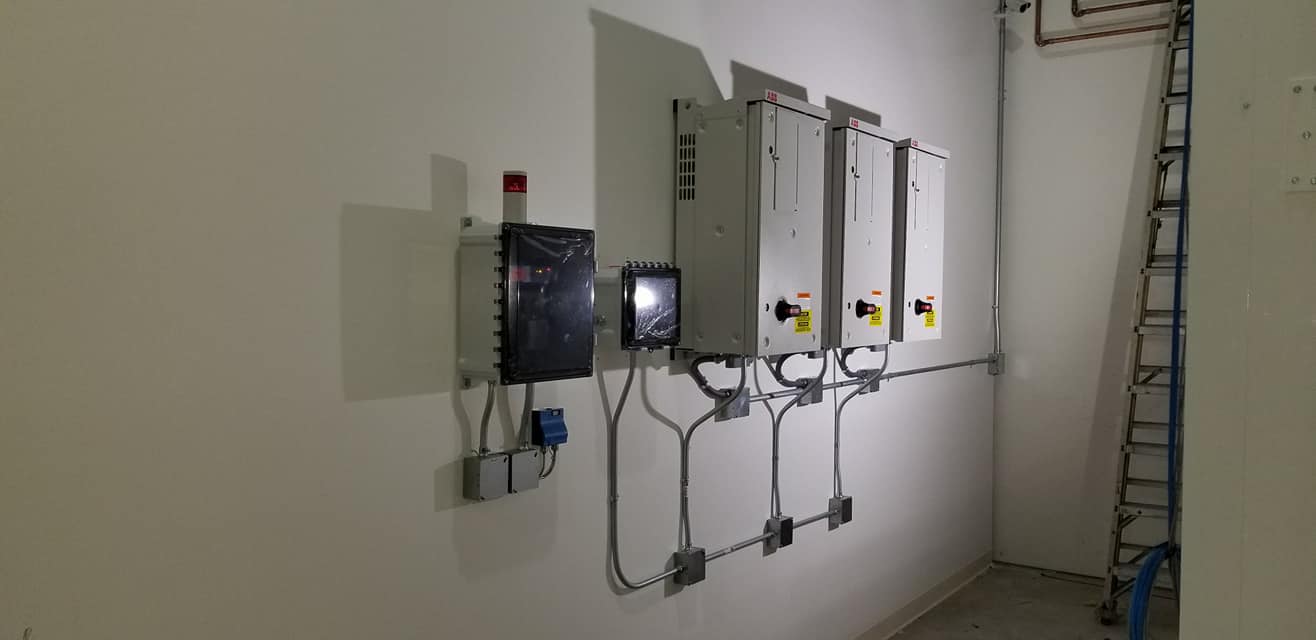
Once you have identified the signs, the next step is to plan the upgrade. Start by listing all the equipment you currently run and any you plan to add in the next few years. This gives you a realistic idea of your future load capacity needs. Then, have a qualified electrician perform a load calculation to see if your existing service entrance and panel can handle that load. If not, you will know the size of panel and conductor you need.
Code compliance is another factor. Electrical codes change over time. An upgrade is a good opportunity to bring your system up to the latest National Electrical Code standards. This includes proper grounding, arc-fault protection, and GFCI protection where required. Meeting code not only keeps your building safe but also avoids issues during inspections or when selling the property.
Finally, consider the practical aspects of the upgrade. Will you need to shut down power for a day? Can the work be done after hours or on a weekend? A good contractor will work with your schedule to minimize downtime. With careful planning, a commercial electrical upgrade can improve safety, reliability, and efficiency for years to come.